wholesale suppliers
Wholesale Suppliers for Resellers: Stock and Channel Checks
Undocumented stock can waste a reseller’s budget. Compare source types and Amazon or eBay channel requirements before buying bulk inventory.
Author profile
Ecommerce operator and sourcing editor
Jack Lau has six years of ecommerce operating experience focused on sales data analysis, product trends, and evidence-led wholesale buying decisions.
Published work
Undocumented stock can waste a reseller’s budget. Compare source types and Amazon or eBay channel requirements before buying bulk inventory.
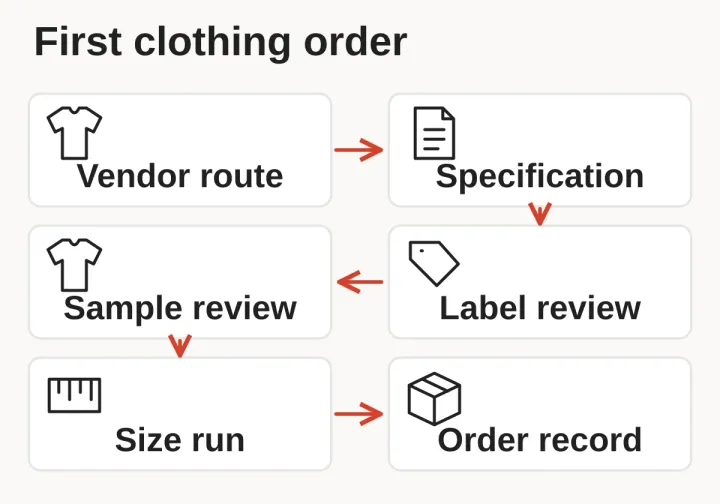
Check clothing vendor routes, garment specifications, samples and labels before committing to the wrong fit or size mix in an online store's first order.
An operational blueprint for Amazon FBA wholesale sourcing: authorized distributors, trade account approval, ungating invoices, and landed unit economics.
Calculate total and per-unit landed cost with a worked import example and an editable template for estimated and actual costs.
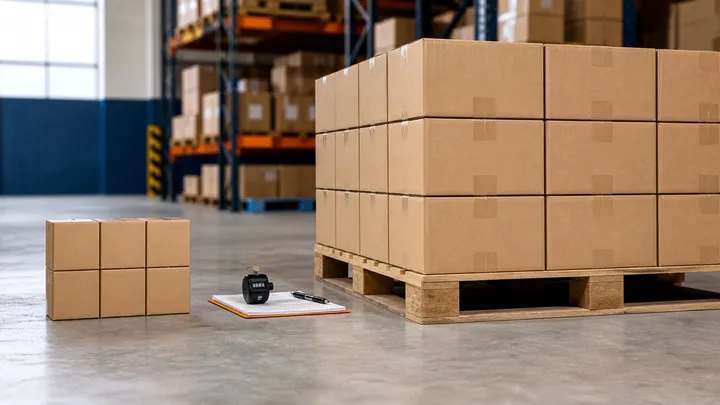
In sales, MOV means minimum order value, a currency floor on the order. MOQ is a unit count. MPQ is the carton multiple that rounds the quantity.
Compare domestic and overseas sourcing on total cost, order minimums, lead time, and the ability to revise a product after a first order.
What to put in a request for quotation so the replies are comparable, and how to read what comes back for more than just the price.
How to distinguish genuine end-of-line electronics from stranded stock, price lifecycle risk, and support former-price claims.
A decision walkthrough for sellers entering electronics, from choosing an authorised or parallel route to sizing a first order against model lifecycle.
Who handles warranty claims on wholesale electronics, how seller obligations differ from manufacturer coverage, and how to budget for returns.
How to specify wall chargers and adapters so output claims hold up, and which certification and quality checks matter before a first bulk order.
How to source phone cases wholesale: control model-fit risk, tooling and MOQ, test samples, and verify rights to sell each design.
What to specify and verify when sourcing power banks, where stated capacity diverges from delivered capacity, and why transport rules shape the order.
How to turn vague phone grades into enforceable criteria, sampling rules, rejection thresholds, remedies, and device-status checks.
How new, refurbished and used handset stock differ on margin, risk and returns, and which one suits a seller without established supplier relationships.
How to open a distributor account with low volume, what makes a small buyer worth serving, and the alternatives when you sit below the minimum.
The questions that separate a distributor worth building on from one that will fail you during a shortage, once basic counterparty checks are done.
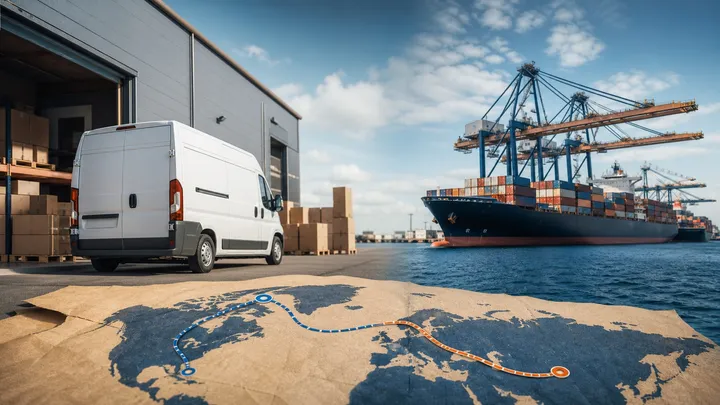
How cross-border distribution works, why territory rights limit who may supply you, and what changes in cost and liability when stock crosses a border.
Find wholesale suppliers through several channels, then build a documented shortlist before requesting quotes.
What each link in the supply chain actually controls, who is accountable when goods are wrong, and which one an ecommerce seller should be buying from.
Compare EXW, FOB, and CIF by named place, cost allocation, risk transfer, and a worked landed-cost example.
Ask for a smaller first order with a clear specification, an honest commitment, and a comparison of setup cost, unit price, and cash exposure.
What an IMEI check does and does not establish when buying handsets in volume, and where it belongs in the purchase sequence.
A practical method for locating wholesale distributors, starting from the manufacturer rather than from search results or paid directory listings.
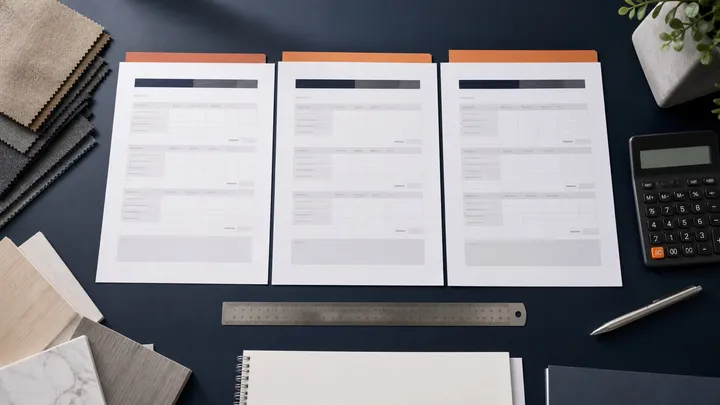
Record registration, payment, trading, facility, and certification evidence before placing a wholesale order.